 Save
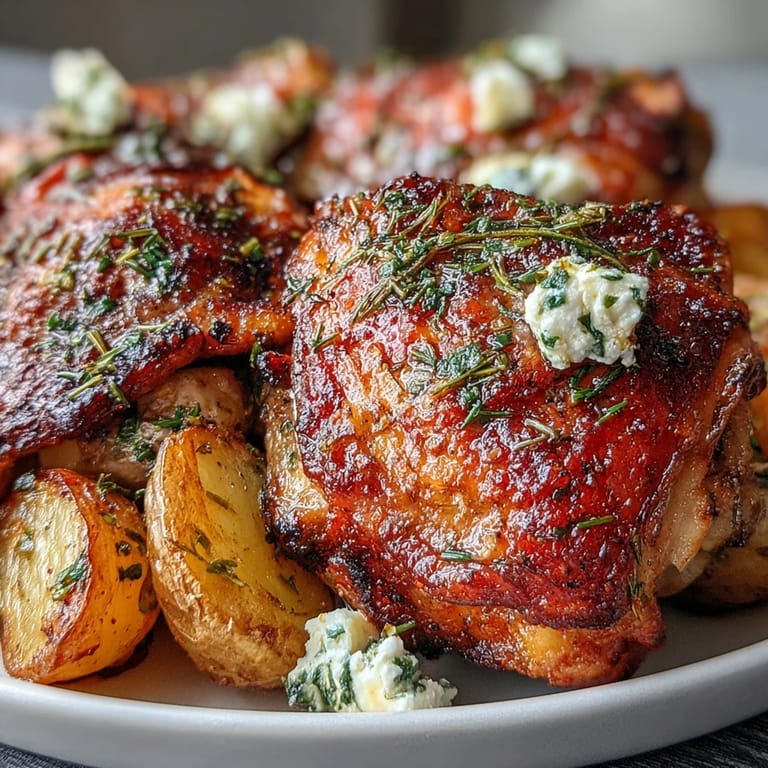
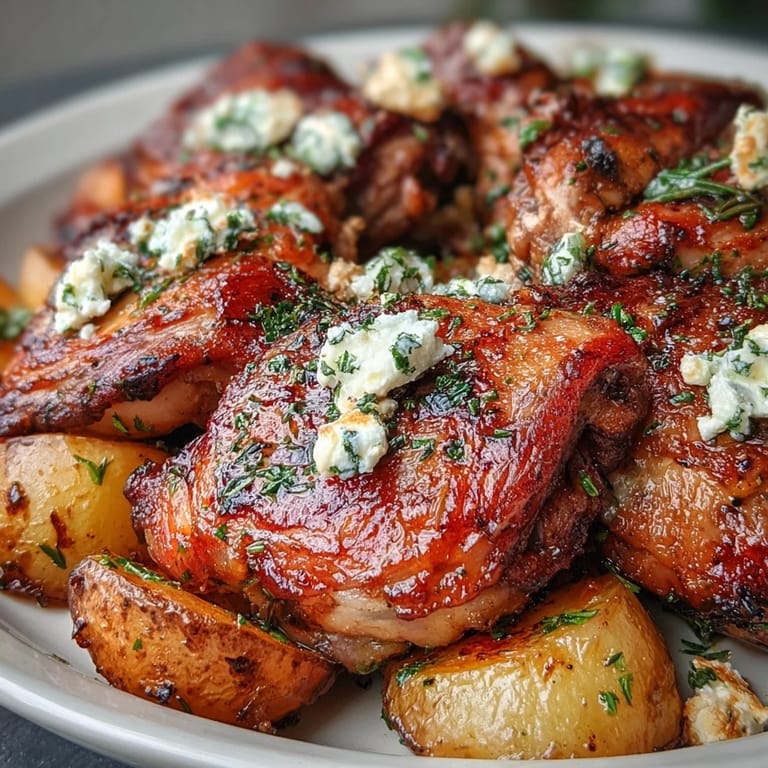
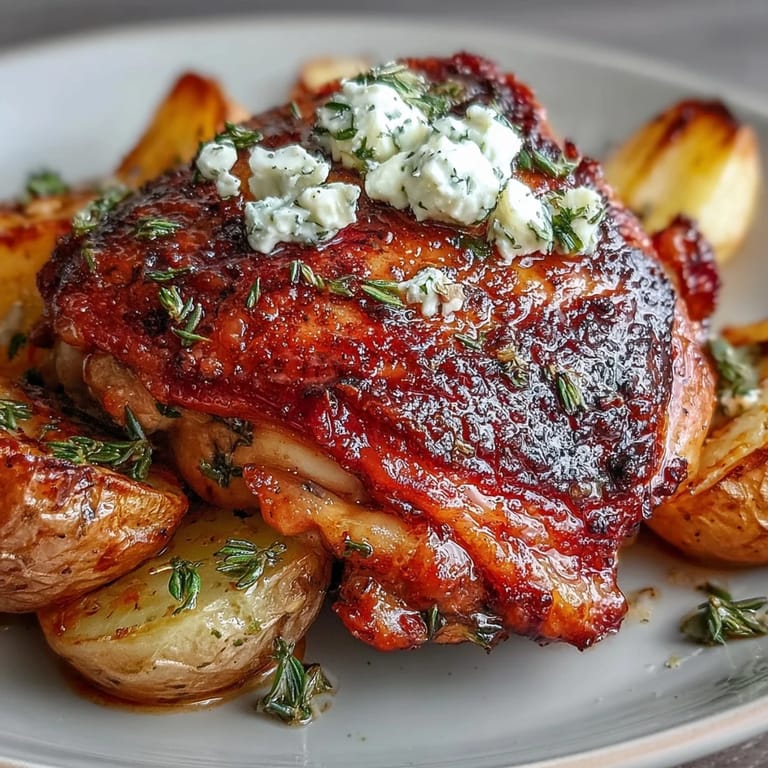
Save My neighbor knocked on my door one evening with a warm plate of roasted chicken, potatoes still steaming, the whole thing glossy with pan juices and studded with creamy feta. She'd made it on a whim using what she had on hand, and watching her cut into that golden bird over coffee the next morning, I understood immediately why she kept coming back to this recipe. The combination felt both humble and elegant, somehow managing to taste like home and a Mediterranean getaway at the same time.
I made this for a small dinner party last spring, and something unexpected happened: my usually quiet friend who eats very little actually asked for seconds. She kept saying how the lemon cut through the richness so perfectly, and suddenly everyone was passing around lemon wedges and debating whether the oregano or thyme was doing more work. It turned into the kind of evening where the food becomes the conversation.
Ingredients
- Whole chicken (about 1.5 kg / 3.3 lbs), patted dry: Patting your chicken completely dry is the secret to crispy skin—moisture is the enemy of golden brown, so take a minute with paper towels and don't rush this step.
- Olive oil (2 tbsp for chicken, 2 tbsp for potatoes): Good olive oil makes a difference here since it's not hidden under other flavors; use something you'd actually taste and enjoy.
- Lemon (zested and quartered): The zest goes into the herb paste to maximize lemon flavor throughout, while the quarters steam inside the cavity and keep the meat juicy.
- Garlic cloves (4, smashed): Smashing rather than mincing releases the garlic's oils without making it bitter in the oven's heat, and you can easily fish out the soft cloves later if you want.
- Fresh oregano and thyme (1 tbsp each, or 1 tsp each dried): Fresh herbs bloom with bright flavor, but dried herbs work just fine—they're actually more concentrated, so the smaller amount keeps things balanced.
- Salt and pepper: Season generously; the chicken needs it more than you'd think since it's a large surface area.
- Small new potatoes (1 kg / 2.2 lbs, halved): Halving them lets them cook through in the same time the chicken roasts, and their waxy texture holds up beautifully against the pan juices.
- Feta cheese (100 g / 3.5 oz, crumbled): Add this at the very end so it doesn't melt completely—you want little pockets of creamy, salty richness in each bite.
- Fresh dill or parsley (2 tbsp, chopped): This final herb sprinkle is where brightness happens, so don't skip it even though it feels optional.
Tired of Takeout? 🥡
Get 10 meals you can make faster than delivery arrives. Seriously.
One email. No spam. Unsubscribe anytime.
Instructions
- Get your oven ready and prep the chicken:
- Preheat to 200°C (400°F) while you pat your chicken dry and mix the olive oil, lemon zest, oregano, thyme, salt, and pepper in a small bowl. The herbs will soften in the oil and create a fragrant paste that'll coat every bit of skin.
- Season inside and out:
- Rub that herb mixture all over the chicken with your hands, really working it into the skin, then stuff the cavity with the lemon quarters and smashed garlic. Don't hold back—this is where all the flavor lives.
- Arrange everything in the pan:
- Place the chicken breast-side up in a large roasting pan and scatter the halved potatoes around it. Drizzle the potatoes with olive oil, season with salt and pepper, and give them a gentle toss so they're coated but not competing with the chicken for space.
- Roast and tend to it:
- Slide the pan into the oven for about 1 hour, and once or twice during cooking, tip the pan juices back over the chicken and potatoes using a spoon—this keeps everything moist and builds flavor. If the potatoes look like they're darkening too fast, loosely tent them with foil.
- Check for doneness:
- Use a meat thermometer to make sure the thickest part of the chicken (usually between the thigh and body) reaches 75°C (165°F). The skin should be deep golden, almost burnished.
- Let it rest:
- Pull the pan out, take a breath, and let the chicken sit for 10 minutes before carving. This lets the juices redistribute so the meat stays tender instead of drying out the second you cut into it.
- Finish and serve:
- Scatter the crumbled feta and fresh dill over everything, squeeze fresh lemon over the top, and bring the whole pan to the table if you can—there's something about the ritual of serving it that way.
 Save
Save There's a moment when you pull this out of the oven and the smell hits you—garlic, lemon, roasted chicken, herbs all mingling together—that makes you understand why people have been roasting chickens this way for centuries. It's simple, it works, and somehow it never gets old.
Why This Works Every Time
The beauty of roasting everything together is that the chicken's fat drips down into the potatoes, seasoning them while the potatoes shield the bottom of the pan from scorching. It's almost like the ingredients are having a conversation, each one helping the others taste better. The lemon zest in the herb paste is crucial because it doesn't burn like fresh lemon juice would, yet still delivers that bright note that keeps the dish from feeling heavy.
Building Flavor from the Start
That herb and oil paste isn't just seasoning—it's an invitation to flavor. When it hits the hot chicken skin, it'll toast slightly and create a crust that locks moisture in while building savory depth. The smashed garlic cloves inside the cavity mellow out and perfume the bird from within, and the lemon quarters do double duty by keeping everything juicy while adding subtle tartness to the meat itself. By the time it's done roasting, you've got layers of flavor that tasted simple but actually required a bit of intentional planning.
The Finishing Touch and Last Thoughts
This is where feta becomes your secret weapon—creamy, salty, and utterly unexpected in the best way. The fresh herbs at the end are what make people stop mid-bite and wonder what just happened, and honestly, it's usually the dill or parsley, not anything fancy. Think of this dish as a map: lemon takes you to the Mediterranean, herbs ground you in freshness, and feta anchors everything in something rich and memorable.
- If you have time, let the chicken marinate in the herb mixture for up to 2 hours before roasting for even deeper flavor infusion.
- Substitute baby Yukon Gold or fingerling potatoes if you can't find small new potatoes—they'll cook at the same pace and hold their shape.
- A handful of Kalamata olives or a scatter of capers over the finished dish adds a briny note that some people find absolutely essential.
 Save
Save This recipe has become my go-to when I want to feed people something that feels special without the stress of technique or timing. Serve it with a crisp white wine—Sauvignon Blanc works beautifully—and let the meal unfold naturally.
Recipe Questions & Answers
- → What temperature should the chicken reach?
The chicken is done when the internal temperature reaches 75°C (165°F) at the thickest part, typically after about 1 hour of roasting. Use a meat thermometer to ensure accuracy.
- → Can I marinate the chicken ahead of time?
Yes, for extra flavor, marinate the chicken in the herb and oil mixture for up to 2 hours before roasting. This allows the lemon, garlic, and herbs to penetrate deeper into the meat.
- → What type of potatoes work best?
Small new potatoes are ideal as they hold their shape well. You can also substitute baby Yukon Gold or fingerling potatoes. Halving them ensures even cooking and golden edges.
- → How do I prevent the potatoes from burning?
If the potatoes brown too quickly, cover them loosely with aluminum foil while the chicken continues roasting. Basting with pan juices also helps keep them moist and prevents excessive browning.
- → What wine pairs well with this dish?
A crisp white wine such as Sauvignon Blanc complements the lemon and herb flavors beautifully. The acidity cuts through the richness of the chicken and feta while enhancing the Mediterranean profile.